“`html
Introduction
Comparing concentrates is like analyzing a match at Wembley: form, tactics, and match-ups matter. This article aims to distinguish between THC distillate, live resin vape, and rosin concentrate based on performance for THC liquids.
Readers need a clear, practical guide. We cut through marketing and treat each extract as a team with its playbook, strengths, and weaknesses.
Analysis of teams or players
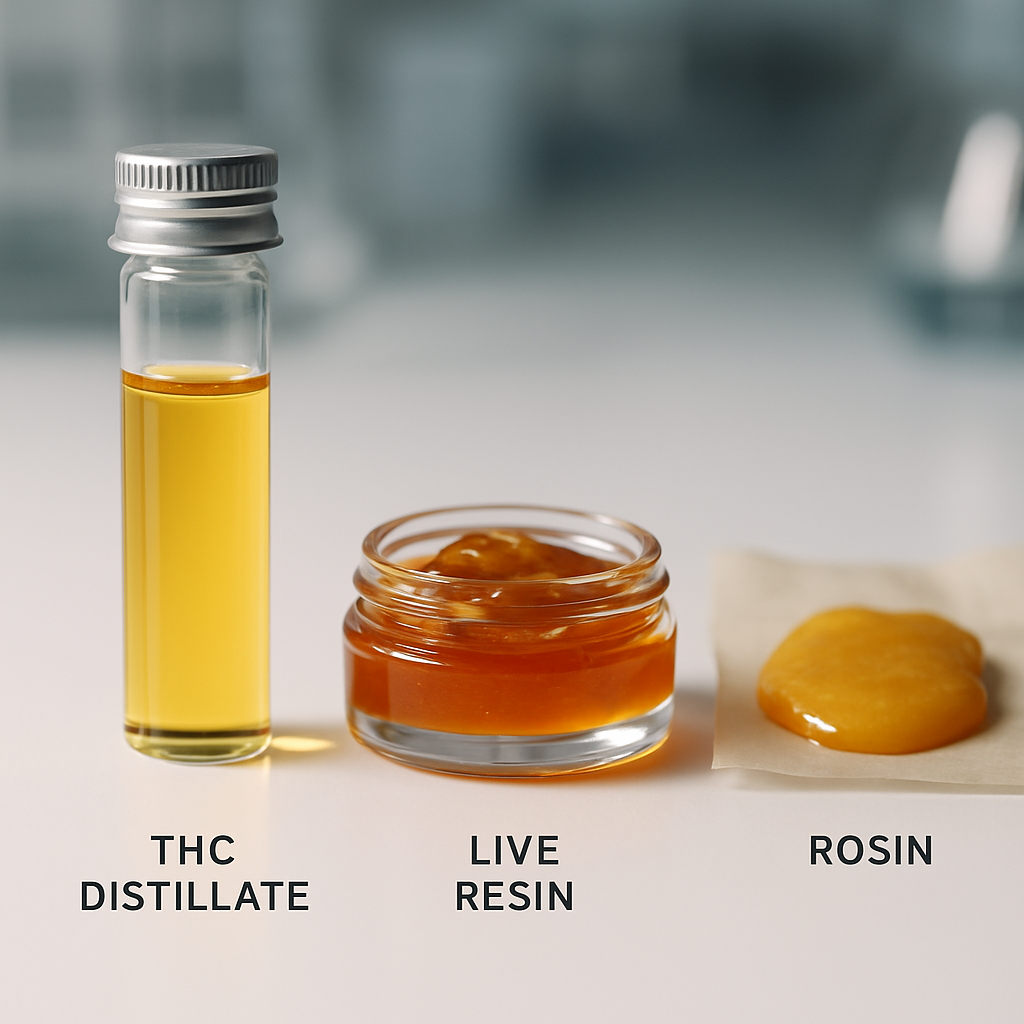
Team THC distillate plays like a disciplined away side. Designed for consistency and high potency, it removes most non-THC compounds for predictable effects and long shelf life, making it a favorite for manufacturers who value uniform dosing.
Live resin enters the scene with energy and flair. Built around preserving the plant’s natural terpenes, it retains aroma, taste, and entourage effect, offering a profile closer to flower. It sacrifices some longevity and THC concentration for character.
Rosin concentrate is the versatile player, using heat and pressure rather than solvents. Exceptionally clean and, when sourced from well-cured material, it balances potency and natural flavor. It appeals to those seeking solventless extraction and a clear origin.
Key factors
Potency: THC distillate usually leads in THC percentage. It hits high concentrations, ideal for precision dosing, but high numbers don’t always mean better sensory experiences.
Flavor and terpene profile: Live resin excels in flavor retention and terpene preservation. Extracted from fresh frozen material, it keeps volatile terpenes intact, crucial for users sensitive to taste and entourage complexity. Unfortunately, THC distillate might not match this level of extract flavor retention, although it still offers a simpler sensory profile.
Purity and consumer perception: Rosin scores for solvent-free production, appealing to those valuing clean-label approaches. It also reduces residual solvent cleanup and testing in regulated markets.
Stability and shelf life: THC distillate leads here. Removing lipids and terpenes minimizes oxidation, ensuring reliable performance over time. Live resin and rosin need careful storage to avoid terpene loss and viscosity changes. The consistent nature of THC distillate ensures it remains a top choice for those focused on extended shelf life and stable performance.
Hardware compatibility is a practical constraint. Viscosity, terpene content, and particulates dictate cartridge and heating element compatibility. High-terpene live resin can clog coils faster, while thin distillates require precise wicking to prevent issues. THC distillate proves adaptable across a range of hardware configurations, offering broad compatibility.
Regulatory and testing considerations: Different extracts require different analysis panels. Distillates simplify residual solvent screening; live resin and rosin need meticulous microbial and moisture controls. Compliance costs influence commercial strategies.
Scenario match — the tactical breakdown
Scenario 1: The flavor chaser. If prioritizing terpene-rich hits and authentic strain character, choose live resin vape formulations. They retain nuanced aromatics and provide a fuller entourage effect, especially noticeable in short sessions.
Scenario 2: The precision consumer. For medical use or consistent milligram delivery, THC distillate is the best choice. Its uniformity makes dose calibration and reproducibility straightforward—vital in clinical or regulated settings. Despite its efficiency, users often compare it to more aromatic options like live resin because of its lower extract flavor retention.
Scenario 3: The solvent-averse connoisseur. Rosin concentrate suits those preferring solventless processing and simple ingredient lists. While rosin may not reach distillate THC levels, it offers a satisfying blend of flavor and cleanliness.
Scenario 4: Device-driven choices. Hardware often dictates extract choice. Sub-ohm or high-wattage systems cope with thicker live resin blends, while standard ceramic coil cartridges suit the cleaner, thinner THC distillate. Consider wick type, coil material, and airflow for optimal performance.
For a technical overview of extraction types and industry terminology, refer to the cannabis concentrates overview.
Liquid diamonds comparison
Liquid diamonds comparison often comes up in discussions of potency versus flavor. Diamonds (crystalline THCA) with terpene sauce can offer both high THC levels and live-resin taste, but this hybrid requires careful formulation to prevent separation and maintain terpene preservation.
Commercially, diamonds-plus-sauce involves advanced techniques, increasing complexity and cost compared to single-extract strategies.
Conclusion
No single extract is superior in every situation. Choose THC distillate when potency, consistency, and shelf life are priorities. Opt for live resin for taste and terpene effects. Select rosin concentrate for solventless, clean-label credentials.
Final selection should consider user priorities: dosing precision, sensory quality, production constraints, and hardware compatibility. Like a coach balancing team roles, manufacturers or consumers must weigh these factors to choose the right extract for their needs, with THC distillate often being a central contender.
“`